Your basket is empty.
Continue Shopping
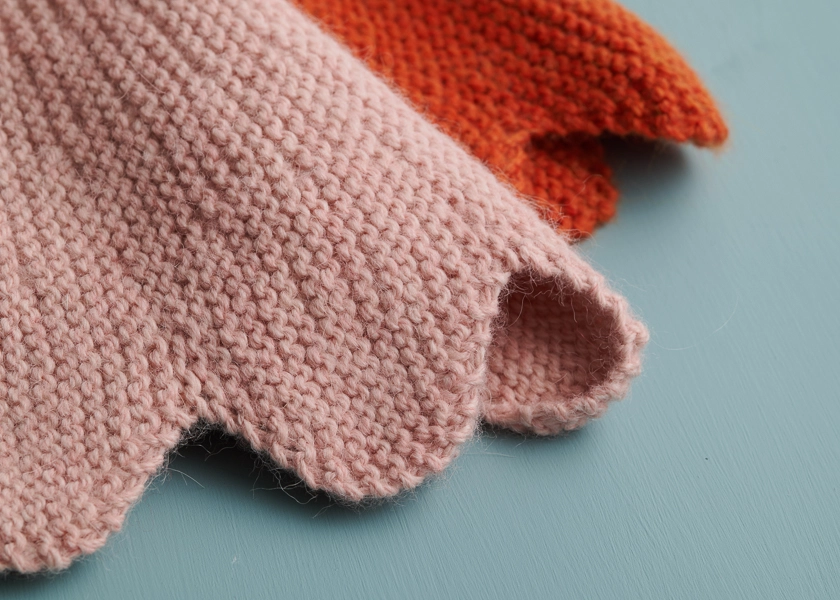
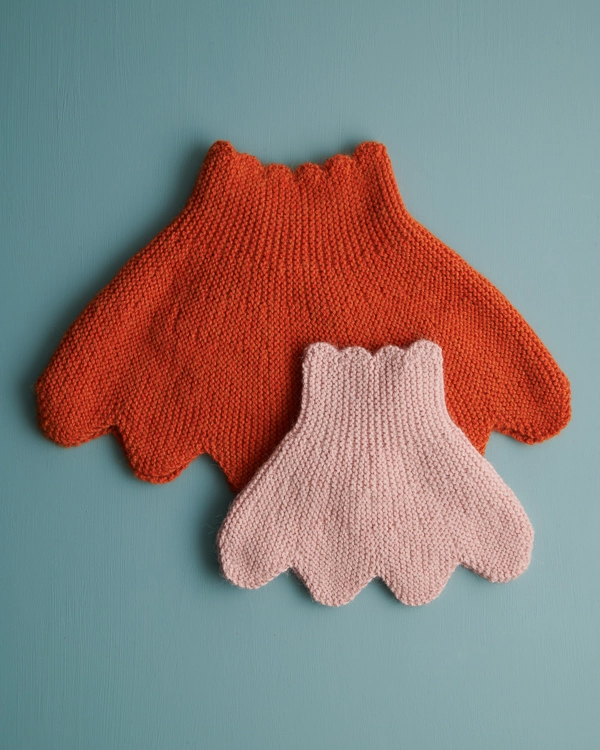


Florette Cowl
A little bloom of pure delight, our Florette Cowl pattern is the kind of playful and charming knit that makes your heart feel light—a wonderfully sweet gift for kiddos and grownups alike. Cast on with Yonder, our lovable alpaca and Andean highland wool yarn whose soft hand and heartwarming qualities feel especially inviting in seven new colors!

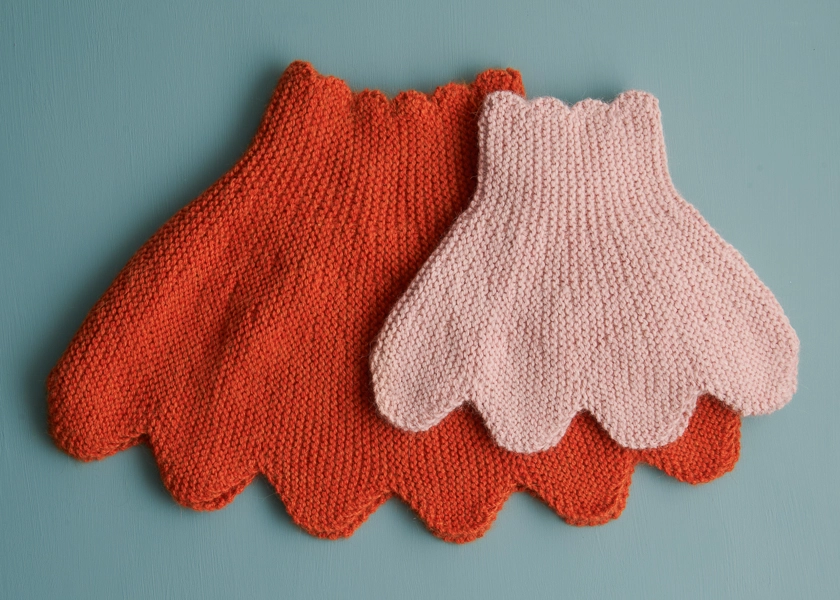
Knit flat from side to side in easy garter stitch, the Florette Cowl grows petal by petal, each one shaped with simple German short rows, a surprisingly simple technique that our tutorial quickly demystifies!
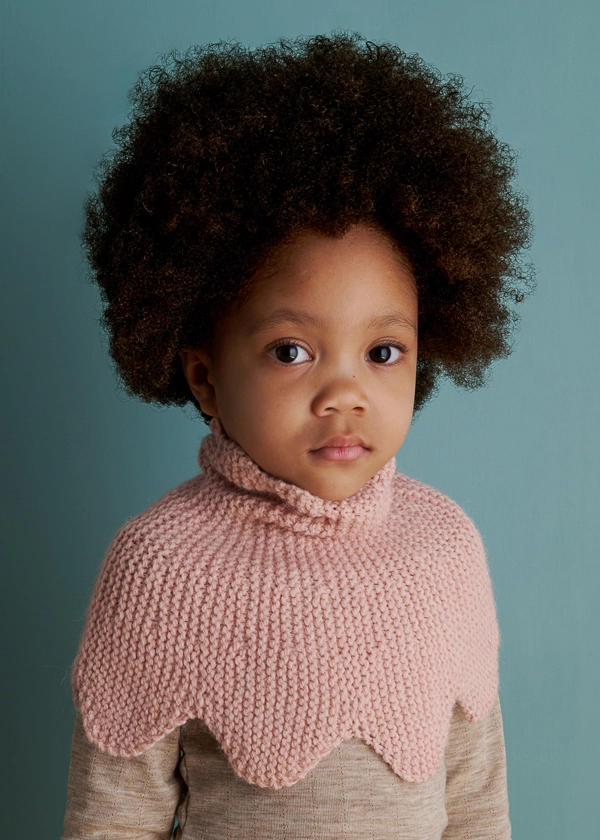
With scallops at both the top and bottom and a cozy mock-turtleneck fit, the Florette Cowl is adorable on everyone… Bitty petals for kids, big petals for grownups, 7 sizes in all! Resisting the urge to give it to your loved one—instead of waiting for them to unwrap it—might just be the hardest part.

A lofty worsted-weight yarn spun from Andean highland wool and alpaca, Yonder’s three-ply construction allows the yarn to bloom beautifully as you knit. It has the perfect balance of wool’s buoyant bounce and alpaca’s supple drape, with a natural hand that feels both timeless and deeply satisfying, stitch after stitch.
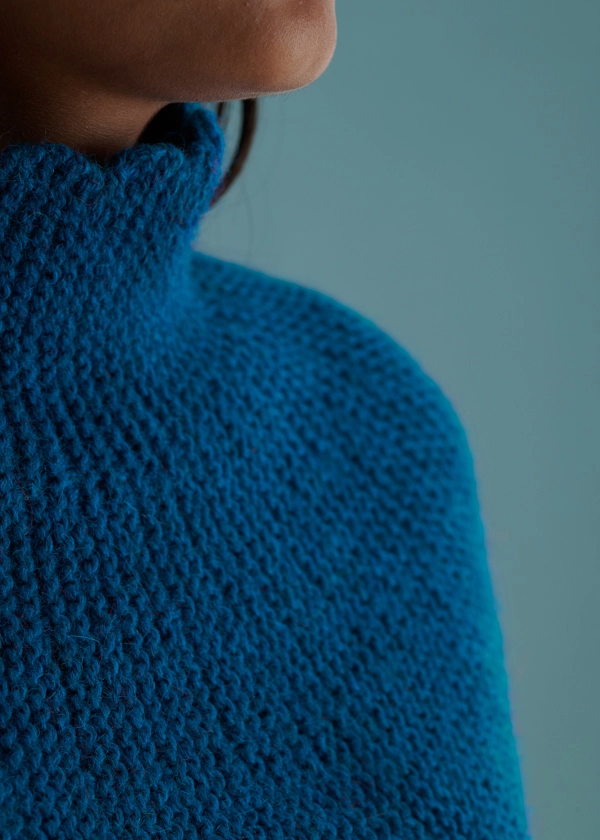
Pick from an earthy sweep of heathered hues, artfully dyed over the complex natural colors grown by the sheep and alpaca themselves. Newcomers like blazing Autumn Oak and mesmerizing Aquamarine Blue join a rich, lustrous palette shaped by nature’s own quiet magic.
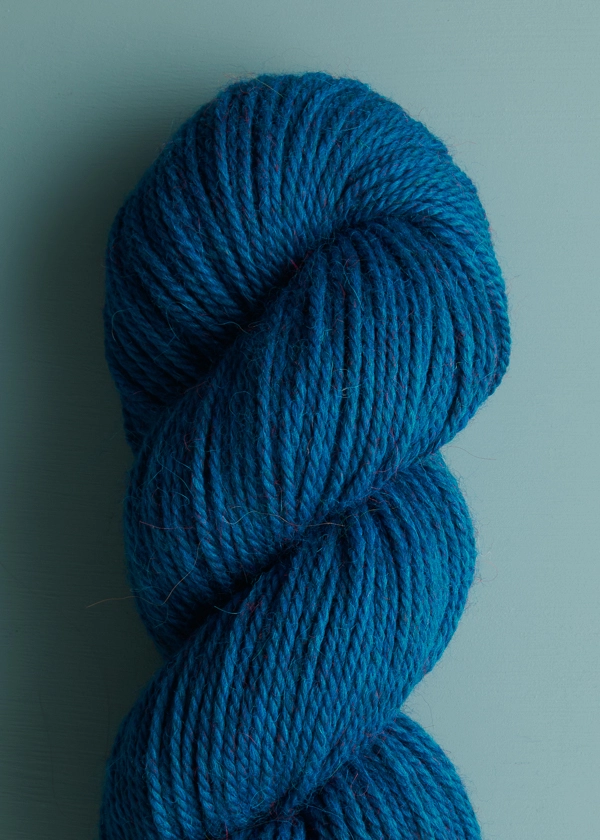
The Florette Cowl is a true feel-good knit, joyful from the very first stitch to the moment it’s unwrapped—and through every day it’s loved and worn. Pick up a few skeins of Yonder and enjoy its soft, earthy feel as you stitch a little color and warmth into a delightfully unexpected winter blossom.
Yarn lovers, if you adore the yarn used in this project, you’ll love exploring all of our other yarn collections! Discover over 55 thoughtfully designed yarns in nearly every natural fiber and in every spectacular color you can imagine. Only available here at Purl Soho’s online yarn store, where every skein is created with care and your creativity in mind!
Pattern designed and written by Purl Soho designer, Hiromi Glover. See even more of Hiromi’s work on her Instagram!
Story written by Andrea Lotz for Purl Soho.
Want to print this pattern? On desktop, find the “print” icon in the right margin, and on mobile, scroll to the end of the pattern for it. Use the on-screen instructions to remove anything you don’t want to print!
Materials

- 2 (2, 3, 4) (5, 6, 7) skeins of Purl Soho’s Yonder, 50% alpaca and 50% highland wool. Each skein of this worsted/aran-weight yarn is 140 yards/100 grams; approximately 200 (245, 370, 480) (610, 750, 905) total yards required.
- US 6 (4 mm), 24-inch circular knitting needles
- A removable stitch marker or scrap yarn
GAUGE
18½ stitches and 34 rows (17 garter ridges) = 4 inches in garter stitch
SIZES
NOTE: To find your chest-plus-arms circumference, hold both arms to your sides and measure around the widest part of your chest, including your arms. To learn about “ease,” please visit our Understanding Ease + Selecting Size Tutorial!
Little Kid (Big Kid, Adult 1, Adult 2) (Adult 3, Adult 4, Adult 5)
To fit approximate chest-plus-arms circumference of 21–28 (28–35, 35–42, 42–49) (49–56, 56–63, 63–70) inches with 0–7 inches of positive ease
- Finished Circumference at Neck, unstretched: 11¼ (14, 17, 19¾) (22½, 25½, 28¼) inches
- Finished Circumference at Hem, unstretched: 28¼ (35¼, 42¼, 49¼) (56½, 63½, 70½) inches
- Finished Height: 10¾, (10¾, 13½, 15) (16½, 18, 19½) inches, between highest points of top and bottom scallops
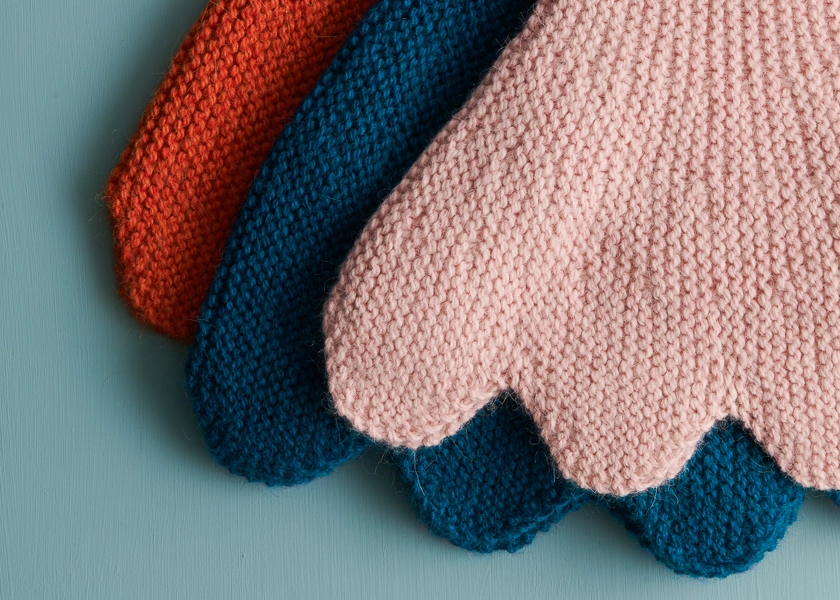
SAMPLES: The Pink Quartz cowl is the Little Kid size, and the Autumn Oak and Aquamarine Blue samples are the Adult 1 size.
NOTES
CONSTRUCTION
This shrug is worked side to side, back and forth in rows. You’ll use short rows to shape each petal, while also creating scalloped edges by increasing and decreasing along both sides. Once the final circumference is reached, you will seam the cast-on and bind-off edges together to close the cowl into a circular shape.
GERMAN SHORT ROWS
NOTE: For help with this technique, check out our German Short Rows Tutorial.
MAKE DOUBLE STITCH
On the right side: Turn work so wrong side is facing you. Slip 1 purlwise to right needle with yarn in front, pull working yarn tightly over needle so it tugs up both legs of slipped stitch to look like two stitches, i.e. a “double stitch.” Bring yarn over needle and leave it so yarn is in back.
WORK DOUBLE STITCH AS SINGLE STITCH
On the right side: When you reach the double stitch, work it as a single stitch by knitting both legs of double stitch together.
PATTERN
Cast on 36 (36, 48, 55) (62, 69, 76) stitches. We used a basic Long Tail Cast On.
SHORT-ROW PETAL
INCREASE
Row 1 (right side): K1, knit front and back (kfb), knit to last 2 stitches, kfb, k1. [2 stitches increased]
Mark previous row with a removable stitch marker or piece of scrap yarn to indicate right side.
Row 2 (wrong side): K1, kfb, knit to last 2 stitches, kfb, k1. [2 stitches increased]
Short Row 3: K1, kfb, knit to last 17 stitches, make double stitch (see Notes). [41 (41, 53, 60) (67, 74, 81) total stitches]
Short Row 4: Knit to last 2 stitches, kfb, k1. [1 stitch increased]
Short Row 5: K1, kfb, knit to 6 stitches before double stitch, make double stitch. [1 stitch increased]
Short Row 6: Knit to last 2 stitches, kfb, k1. [1 stitch increased]
Short Rows 7 and 8: Repeat Short Rows 5 and 6. [2 stitches increased]
Rows 9 and 10: Repeat Rows 1 and 2, working double stitches as single stitches (see Notes). [50, (50, 62, 69) (76, 83, 90) total stitches]
WORK EVEN
Rows 1 (right side): Knit to end of row.
Row 2 and all wrong-side rows: Knit to end of row.
Short Row 3: Knit to last 19 stitches, make double stitch.
Short Row 5: Knit to 6 stitches before double stitch, make double stitch.
Short Row 7: Repeat Short Row 5.
Row 9: Repeat Row 1, working double stitches as single stitches (see Notes).
Row 10: Knit to end of row.
DECREASE
Row 1 (right side): K1, knit 2 together (k2tog), knit to last 3 stitches, k2tog, k1. [2 stitches decreased]
Row 2 (wrong side): K1, k2tog, knit to last 3 stitches, k2tog, k1. [2 stitches decreased]
Short Row 3: K1, k2tog, knit to last 17 stitches, make double stitch. [45 (45, 57, 64) (71, 78, 85) stitches remain]
Short Row 4: Knit to last 3 stitches, k2tog, k1. [1 stitch decreased]
Short Row 5: K1, k2tog, knit to 6 stitches before double stitch, make double stitch. [1 stitch decreased]
Short Row 6: Knit to last 3 stitches, k2tog, k1. [1 stitch decreased]
Short Rows 7 and 8: Repeat Short Rows 5 and 6. [2 stitches decreased]
Rows 9 and 10: Repeat Rows 1 and 2, working double stitches as single stitches. [36, (36, 48, 55) (62, 69, 76) stitches remain]
CONTINUE
Repeat Short-Row Petal 7 (9, 11, 13) (15, 17, 19) more times, ending with Row 9 of Decrease section on final repeat.
Bind-Off Row (wrong side): K1, k2tog, pass first stitch over, bind off knitwise until 4 stitches remain (1 stitch on right needle and 3 stitches on left needle), k2tog, pass first stitch over, k1, pass first stitch over.
Cut yarn, leaving a tail a few yards long for seaming.
FINISHING
Fold piece in half, right sides together, aligning bind-off and cast-on edges. Thread bind-off tail onto a tapestry needle and sew edges together using a whipstitch.
Weave in the ends and gently wet block.
Share your progress and connect with the community by tagging your pics with #PurlSoho. We can’t wait to see what you make!
LEARN ABOUT YONDER + ALL OUR BEAUTIFUL YARNS
Yonder has all the qualities that will touch your knitter’s heart! 50% highland wool and 50% alpaca, this worsted/aran-weight yarn has a robust and earthy feel that breathes and blooms while you knit… Very satisfying! Pick from a palette of earthy, heathered colors dyed over the natural colors grown by the animals themselves and cast on for a project that takes you wherever you want to go.
More Knitting Patterns
- Be sure to explore our growing collection of mostly free Yonder knitting patterns and cast on!
More Worsted/Aran-Weight Yarns
- Shop our entire collection of worsted/aran-weight yarn (What does worsted-weight yarn mean, really? Our guide to worsted-weight yarn will answer your questions and more!)
- If you want to use a different yarn, be sure to take the time to get the correct gauge. Need help? Check our All About Gauge Tutorial, our Yarn Substitution article, and our Complete Guide To Yarn for lots of helpful information.
More Yarns With Similar Fibers
- Shop wool yarn
- Shop alpaca yarn
Looking for more inspiration? Explore all of our knitting patterns (including tons of free knitting patterns) and knitting tutorials, buy one of our many knitting kits and yarn bundles, and shop for beautiful yarn. We have over 55 gorgeous natural fiber yarns in 1,000s of magnificent colors, designed to bring integrity, beauty, and joy to your next knitting project and only available at Purl Soho!







Love the cowl pattern so I’d like to see whatever knitting patterns you have.
Thank you Silvia!
Megan
Always grateful for your generosity.
Thank you Grace!
Megan
Love your patterns, keep them coming!
Thank you Margaret!
Megan
In the even section row 4 and 8 are missing.
WORK EVEN
Rows 1 (right side): Knit to end of row.
Row 2 and all wrong-side rows: Knit to end of row.
Short Row 3: Knit to last 19 stitches, make double stitch.
Short Row 5: Knit to 6 stitches before double stitch, make double stitch.
Short Row 7: Repeat Short Row 5.
Row 9: Repeat Row 1, working double stitches as single stitches (see Notes).
Row 10: Knit to end of row.
Hi Eelliee!
Thanks so much for your question! That line in the pattern is really easy to miss, so you’re not alone. Row 2 states, “Row 2 and all wrong-side rows: Knit to end of row,” which means Rows 2, 4, 6, and 8 are simply knit all the way across.
Happy Knitting,
Megan
Confused about what to do after we make the double stitch. The video tutorial says to back and purl the rest of the row from where we started (which means not knitting to the end of the row).
Are we supposed to knit to the end of the row after making the double stitch, or knit back to the beginning of that row (for example, short row 3 we don’t knit those remaining 17 stitches)?
Hi Whitney!
Thank you for your question! You’re correct about Row 3 — you don’t knit those remaining stitches. When you make the double stitch in a German Short Row, you’re also turning your work, so you’re already facing the opposite side (right or wrong side). With German Short Rows, the turn is built right into the step. Then, on Row 4, you’ll knit across until 2 stitches remain, work kfb, k1, and that will take you right to the end of the row as expected.
If you run into anything else with the short rows, feel free to reach out!
Warmly,
Megan
This looks adorable for my great nieces.
Hi Kathleen!
Thank you for your comment! That’s so sweet to hear! They’re going to look absolutely adorable in it.
Warmly,
Megan
Could you please clarify the size for little kid /big kid? I am eager to make this for a seven year old.
Hi Rachel!
Thank you for your question! The Little Kid and Big Kid sizes differ mainly in their finished measurements — the neck circumference (unstretched) is 11¼” vs 14″, and the hem circumference (unstretched) is 28¼” vs 35¼”. Depending on your seven-year-old’s measurements, one size may fit better than the other, but it’s often a good idea to size up since kids tend to grow quickly!
Warmly,
Megan
Love the pattern but I’m stuck at the end of short row three. After the double stitch is made, do we turn the work and go back OR continue knitting across row three after the double stitch is made? If I turn after the double stitch, it has to be knitted right away. Help please?
Hi Jody,
Thank you for your question! You’re not alone, this is a very common point of confusion with German short rows.
After you make the double stitch at the end of Short Row 3, you stop and turn your work. You do not continue knitting across the row. In German short rows, the turn is built into making the double stitch, so once that stitch is formed, you’re already facing the opposite side and ready to begin the next row. You won’t knit that double stitch again until you reach it naturally on a later row. Then, on Row 4, you’ll knit across as instructed (to the last 2 stitches, kfb, k1), and everything should line up correctly. Once this clicks, German short rows feel much more intuitive!
Warmly,
Megan
Hi after row 10 in increase, work even row 1 says (right side) for me I’m on the wrong side with the marker on the other end, do I just continue and ignore this cause I think it doesn’t change anything?
Hi Becca!
Thank you for writing in! You’re right — in this case it won’t affect the outcome of the pattern, so you can simply continue as written. From here on, just be mindful of which side is the right side so the following instructions line up as intended. You’re on the right track!
Warmly,
Megan
I need help. The increases & decreases don’t seem to add up for me in the first scallop. Can someone help me? I checked several times….
Hi Frankie!
Thanks so much for writing in! This section trips up a lot of knitters, so you’re definitely not alone. The good news is: the math does work out, but it’s very easy for it to feel off in the first scallop because of the short rows and double stitches.
A few key things to keep in mind that usually clear this up: Double stitches always count as ONE stitch when you’re counting totals later. If you accidentally count them as two, your numbers will look wildly off. In the Increase section, you’re adding stitches both on full rows and on some short rows, which makes the growth feel uneven at first — but it balances by Row 9–10.
In the Decrease section, the same thing happens in reverse: full-row decreases + short-row decreases mirror the increases exactly. When Rows 9–10 say to “work double stitches as single stitches,” that’s the big reset moment where counts snap back into place.
If after checking those points your count is still off, a quick photo sent to [email protected] will let us put eyes on the issue — often it’s just one missed kfb, k2tog, or double stitch.
Warmly,
Megan
Thanks for your answer.. I’m still confused but will really sit with this!! It’s the cutest pattern!
OHHHHH, now I got it 😄
I started over and had 72 stitches at end of increase section… darn it!!
I read MAKE DOUBLE STITCH section AND WORK DOUBLE STITCH AS SINGLE STITCH.
DUH!
So now I understand that on wrong row I make a double stitch and on the next I make that one stitch?
Right?
I’m not sure why but I guess in the end it shows less widening at the top than at the bottom?!
I’m starting over AGAIN 😄 Isn’t that the “joy” of knitting ! Haha
Hi Frankie!
Thanks for writing back in! Yes — that is absolutely the joy of knitting! Starting over just means you’re learning it even better each time!
You’ve got it right: when you turn, you make the double stitch, and then the next time you reach it, you work both legs together as one stitch. That’s what keeps the shaping smooth and prevents extra stitches from sneaking in.
And yes, that shaping is exactly why it looks wider at the bottom than the top — it’s doing its magic!
Happy Knitting!
Megan
So happy! I finished it. Thanks for the help!!
Hi Frankie!
That’s wonderful to hear! Congratulations on finishing it! We’re so glad we could help, and thanks for sharing the happy update.
Warmly,
Megan
Hi, so I’m a tad confused. The German short row tutorial doesn’t seem to directly translate to this pattern for me.
On the return row, after making the double stitch ( on previous row) are we supposed to 1) knit the 2 legs together, as stated in tutorial, or 2) knit them separately as 2 stitches?
Thank you!
Hi R!
Thank you for your question! This is a really common point of confusion, so you’re not alone! When working German short rows, once you come back to a double stitch, you should always knit the two legs together as a single stitch. That double stitch is created by pulling the yarn over the needle to form two “legs,” but it still counts as one stitch, not two. Knitting the legs separately would accidentally add an extra stitch and throw off your stitch count. So in this pattern, whenever you encounter a double stitch on a return row, treat it as one stitch and knit it together, just as shown in the German short row tutorial.
Warmly,
Megan
Even clearer now!! 😍
Just wanted to clarify: “Knit to 6 stitches before double stitch, make double stitch”—so are we knitting to the point where there are six stitches remaining before the double stitch and turning the work (to create the next double stitch), or are we knitting that sixth stitch too (so there are five stitches remaining before the double stitch)?
In other words, when it’s time to create the next double stitch, we are leaving this, correct (“DS” is the double stitch and the Xs are regular knit stitches):
DS X X X X X X
NOT
DS X X X X X
Thank you!!
Hi Shannon!
Thank you so much for writing in with your question on the Florette Cowl. You should leave six stitches before your double stitch, not including the double stitch. At this point in the work, you are creating another double stitch and turning the work, yes…. you’re first instinct was correct! This will create two spots with unique double stitches. You will work short rows by creating a new double stitch, and working the old double stitch into each row.
I hope this helps and please feel free to reach out with any other questions. If you need help visualizing it, we’re happy to send over a diagram via [email protected] or demonstrate this over a 1-On-1 Help Session.
Happy knitting! Hills
For whatever reason this pattern brings me pleasure and is a great joy to knit.
Thank you, Dana💚💚💚
Hi Dana!
Thank you so much for writing in! We’re so glad to hear this pattern has been such a joy to knit. It truly means a lot.
Happy knitting!
Megan
I had such a great time knitting the Florette Cowl! It’s worth reading the notes and comments, very helpful with the pattern. I had left over Cashmere Merino Bloom, adjusted the gauge and it came out so cute! Starting another for another niece. Thanks for such a cute pattern. xoh
Hi Heather!
Thank you so much for reaching out with your feedback! Great work on finishing your Florette Cowl!
And thank you so much for this helpful comment. I’m so glad the project came out just how you like it, and I’m sure your niece will be so grateful for a cowl herself…what a lovely idea!
Happy knitting!
Hills
Could I use Sunshower Cotton to make this cowl?
Hi Martha!
Thanks so much for writing in with your question. I’m so happy to see the Florette Cowl caught your eye!
It looks like the cowl has a gauge of about 4.625 stitches per inch and Sunshower Cotton’s gauge is somewhere between 4.75-5. This doesn’t necessarily mean it won’t work. You may end up needing a little extra yarn (your stitches could be anywhere form 3% to 8% smaller per stitch). I’d suggest knitting a gauge swatch to see if you could achieve the gauge in the pattern, and if you like the resulting feel and look of the resulting fabric.
I hope this helps! Please feel free to reach out with any other questions you might have!
Happy knitting!
Hills