Your basket is empty.
Continue Shopping
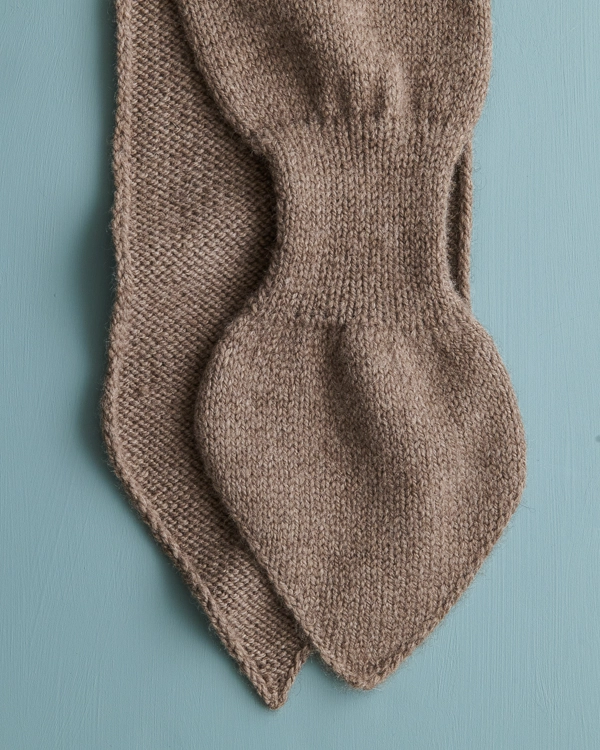
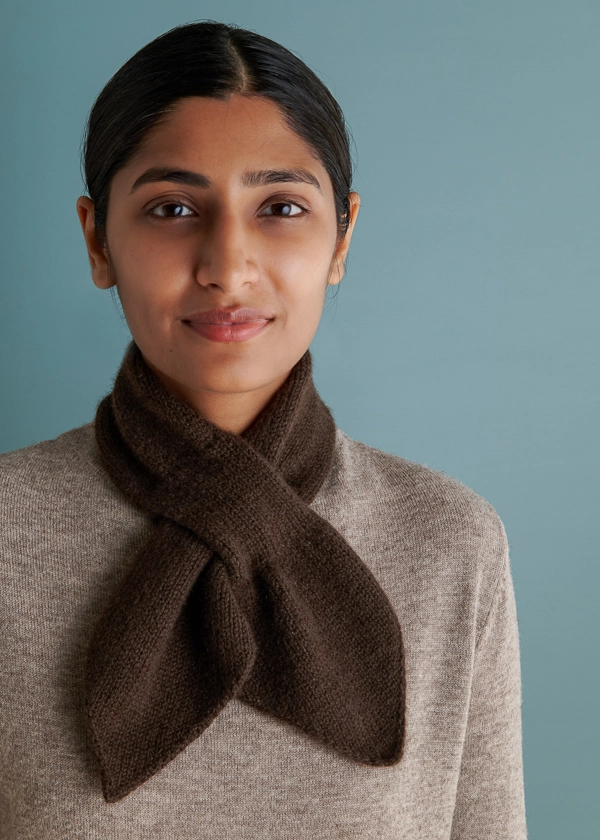
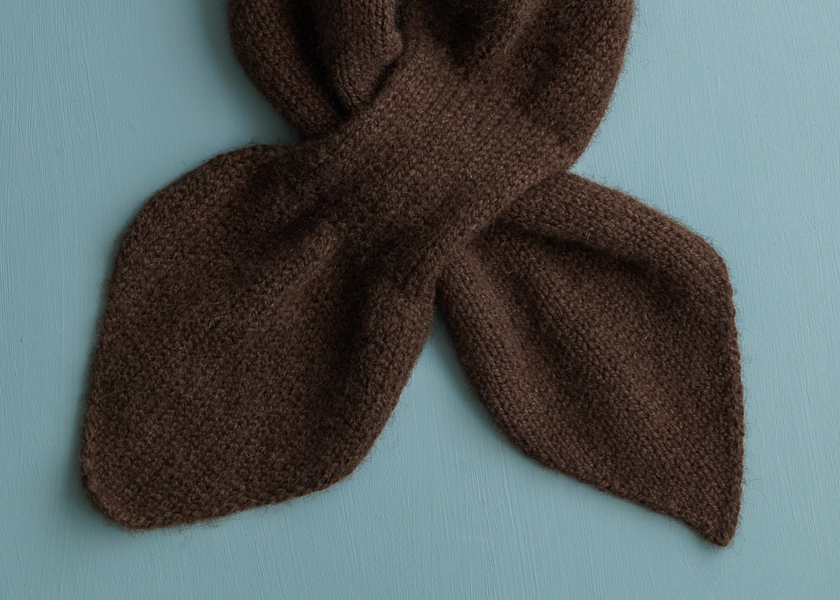
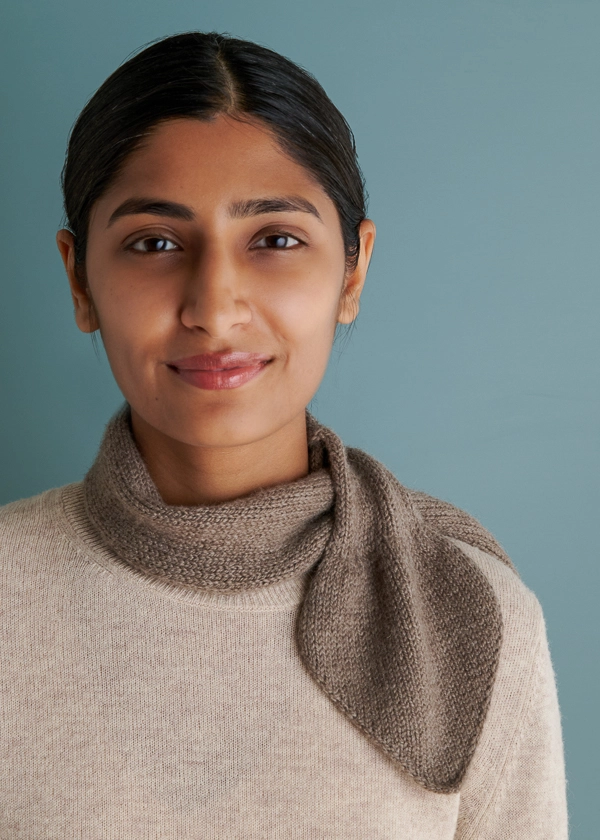
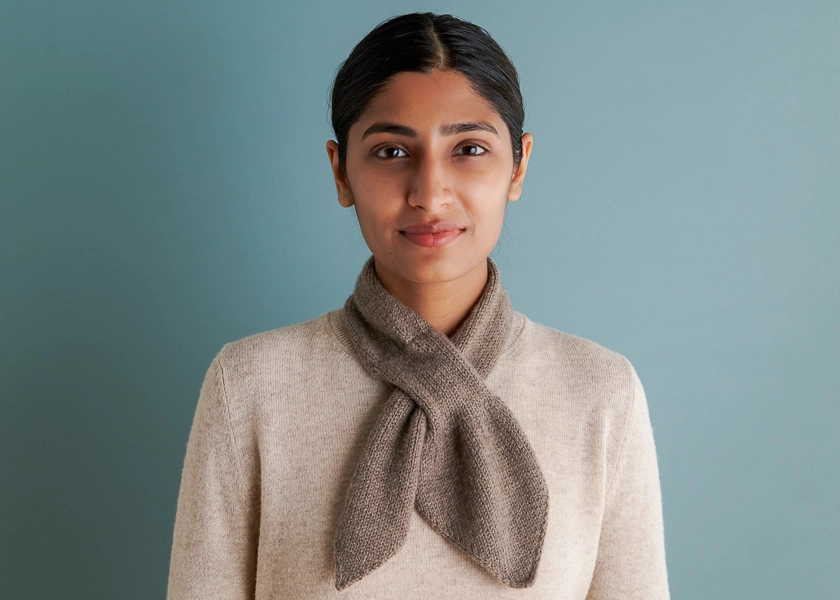
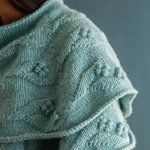
Magnolia Ascot
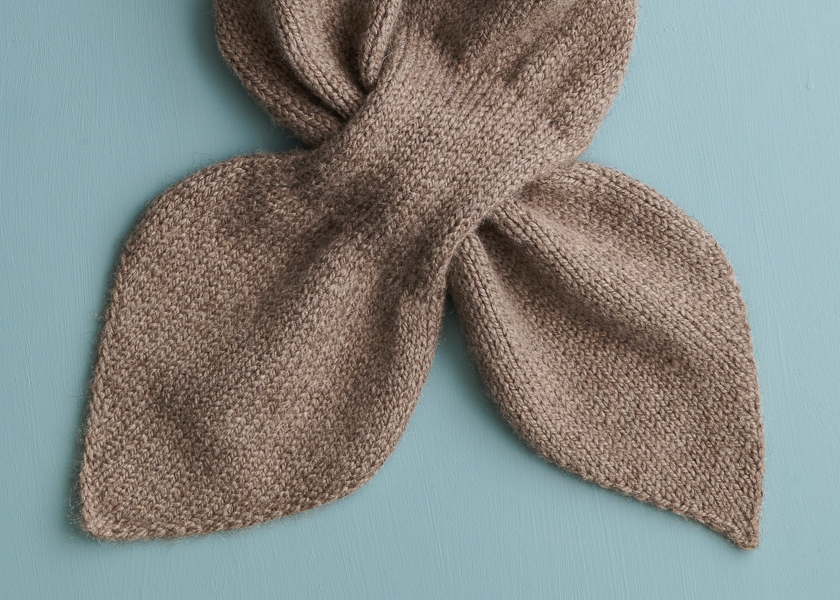
A romantic knit accessory to throw around your neck for a little drama and warmth, our free Magnolia Ascot pattern is as soft and lovely as the bloom it’s named for, thanks to our incredibly special Simply Yak yarn.
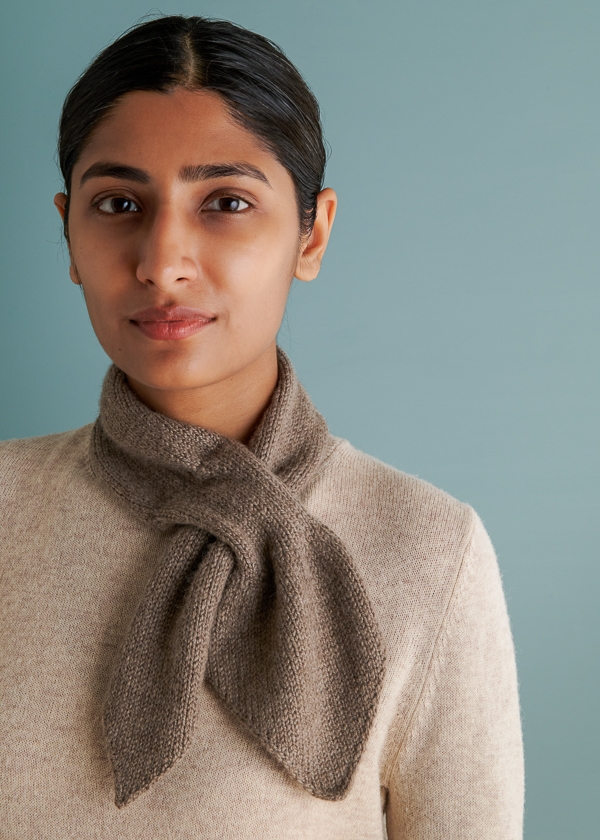
And now in a new undyed color, fascinating Natural Taupe joins velvety Natural Brown, both straight from nature. The rich depth of these colors comes directly from the animals that grew the fiber, and both make absolutely gorgeous Magnolia Ascots!
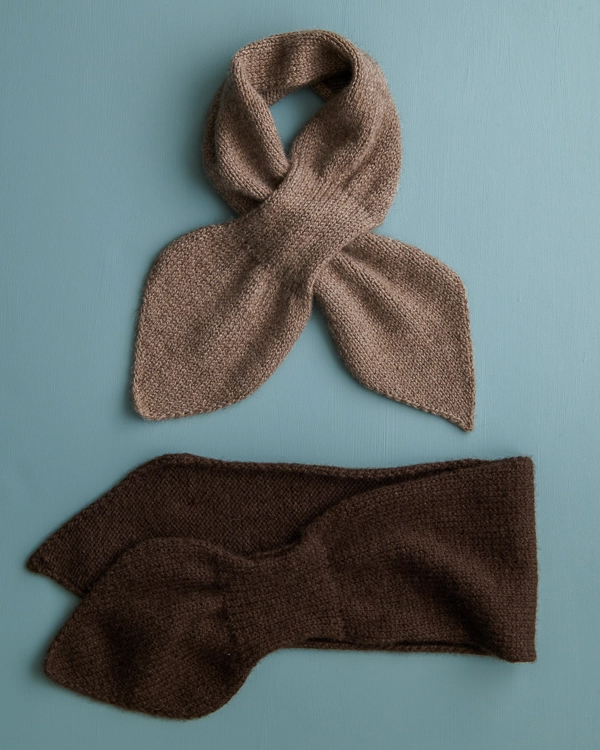
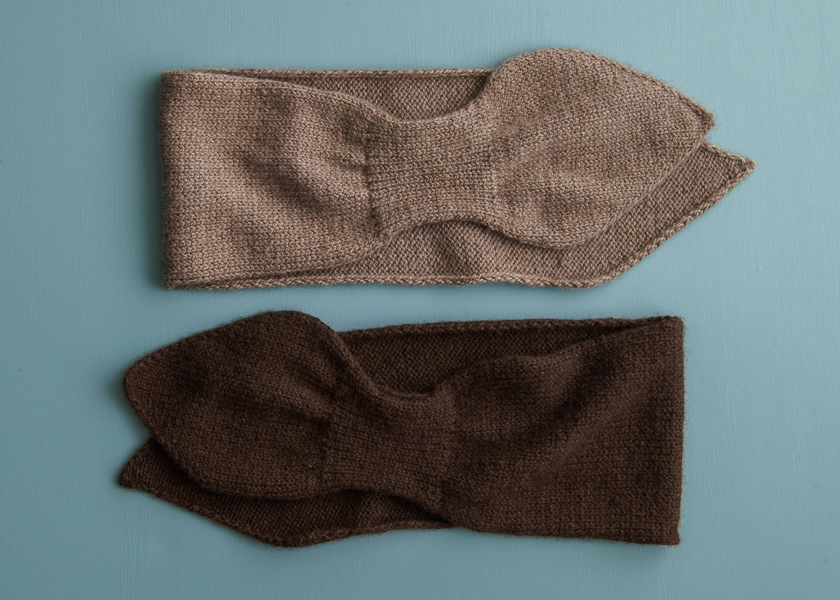
You start knitting at one tip with just a few stitches, working a pleasing petal shape with simple increases and decreases. Then you create the keyhole (super easy and very satisfying!) before moving on to a stretch of stockinette and finishing off with the second tapered petal. The pattern offers three different lengths so your ascot can be just the right size.
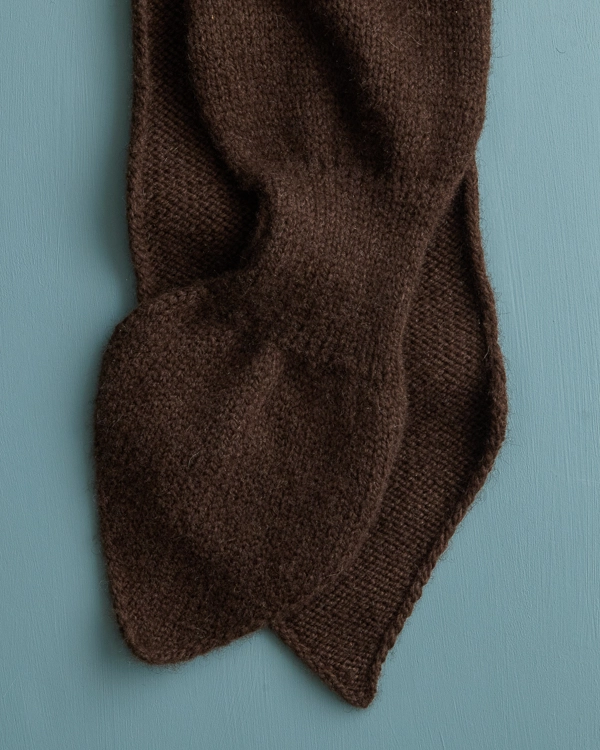
100% yak and 1000% beautiful, Simply Yak is made with fiber combed from the downy, insulating undercoat of these majestic animals. This unique fiber is heartbreakingly soft and delicately haloed with a graceful drape, comparable to cashmere but with a special magic all its own. It’s also toasty warm and surprisingly breathable… Just right!
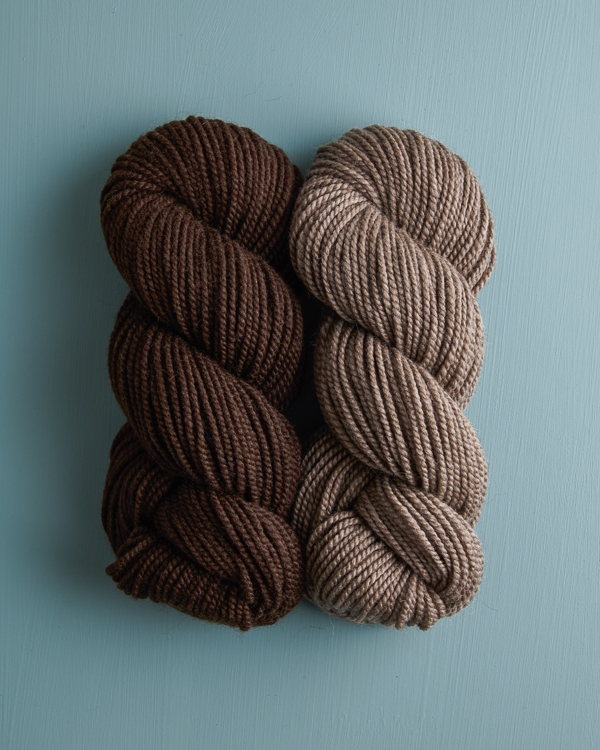
We created our Simply Yak yarn to celebrate the immense goodness of this fiber. This generous DK-weight yarn has a plush, plump feel in your fingers and on the needles, and its lofty 2-ply spin allows the finished fabric to bloom splendidly when blocked. Smooth stockinette is the perfect showcase for all that beauty!
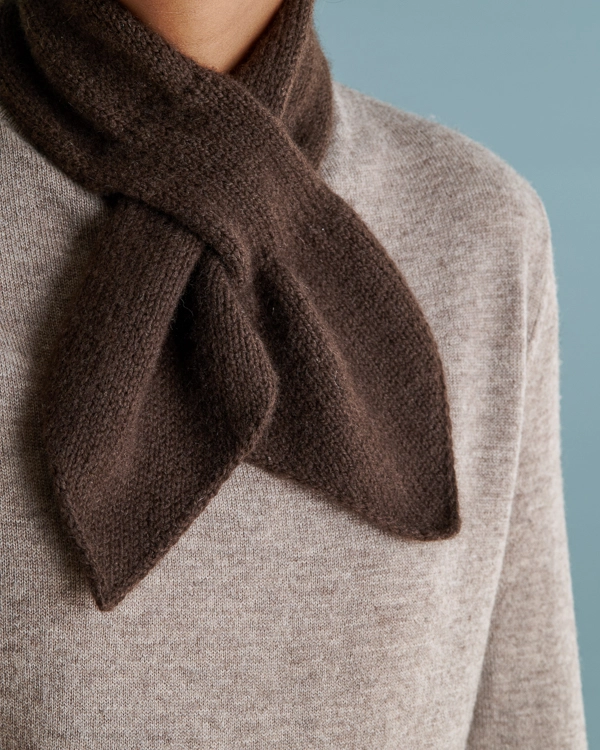
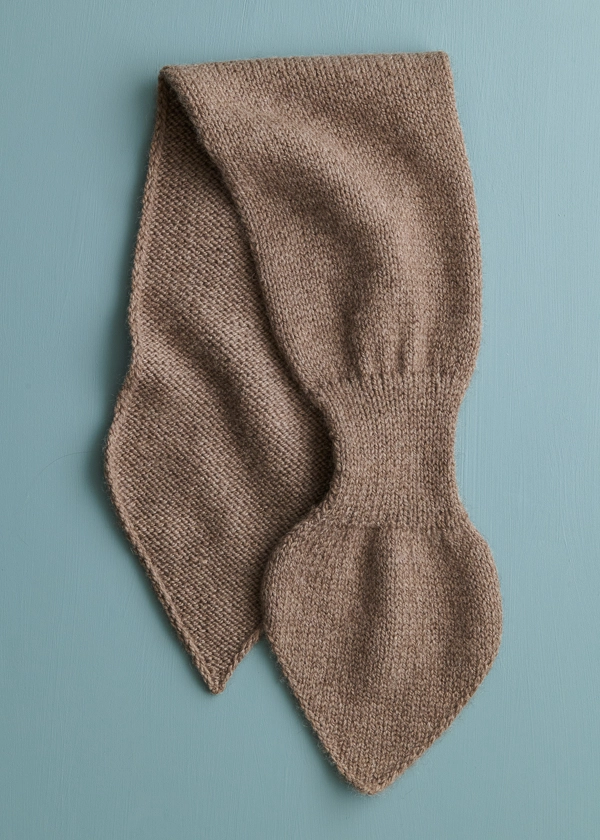
Pick up two skeins of Simply Yak in whichever natural color is calling to you and cast on for a quick-knitting Magnolia Ascot… Simply lovely!
Yarn lovers, if you adore the yarn used in this project, you’ll love exploring all of our other yarn collections! Discover over 55 thoughtfully designed yarns in nearly every natural fiber and in every spectacular color you can imagine. Only available here at Purl Soho’s online yarn store, where every skein is created with care and your creativity in mind!
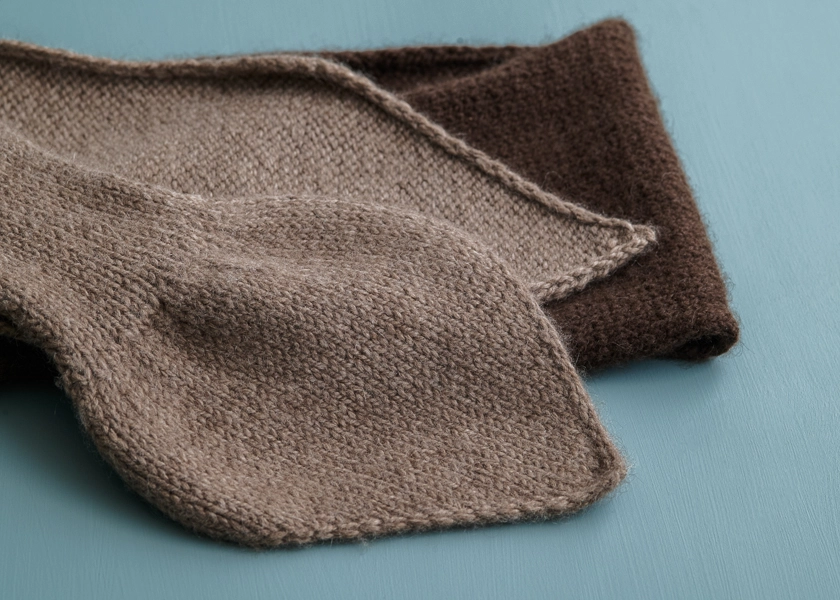
Pattern designed and written by Purl Soho designer, Hiromi Glover. See even more of Hiromi’s work on her Instagram!
Story written by Andrea Lotz for Purl Soho.
Want to print this pattern? On desktop, find the “print” icon in the right margin, and on mobile, scroll to the end of the pattern for it. Use the on-screen instructions to remove anything you don’t want to print!
Materials
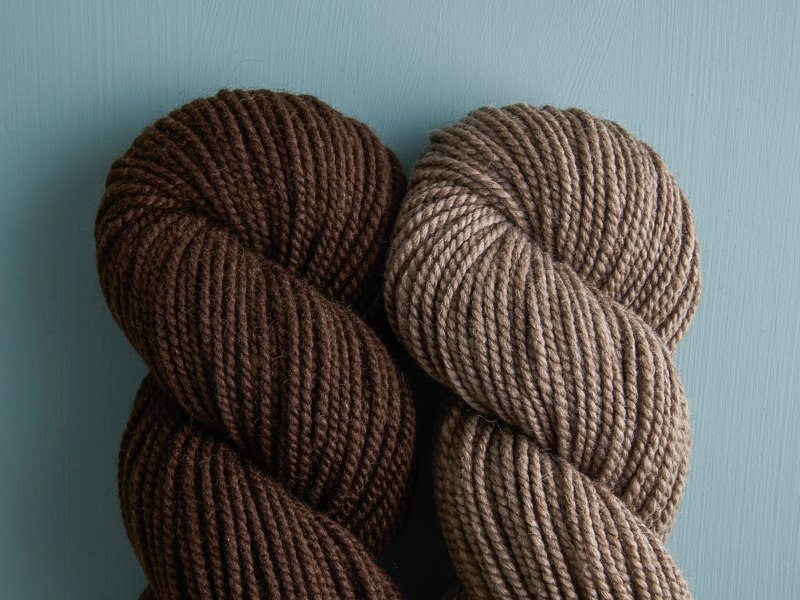
- 2 skeins of Purl Soho’s Simply Yak, 100% yak yarn. Each skein of this light worsted/dk-weight yarn is 109 yards/ 50 grams; approximately 145 (150, 160) total yards required. We made a sample in each of Simply Yak’s two undyed colors: Natural Taupe and Natural Brown.
- US 6 (4 mm), 16-inch circular knitting needles
- A spare circular or double pointed needle, US 6 or smaller
- Stitch holder or scrap yarn
GAUGE
21 stitches and 31 rows = 4 inches in stockinette stitch
SIZES
Small (Medium, Large)
To fit actual neck circumference of 11½–13½ (13½–15½,15½–17½) inches
- Finished Dimensions: 6½ inches wide x 31½ (33½, 35½) inches long
SAMPLES: We knit the Small size for both of our ascots.
NOTES
SLIP STITCHES
Slip all stitches purlwise with yarn in front (wyif) unless indicated otherwise.
STOCKINETTE STITCH WITH SLIP-STITCH SELVAGE
Row 1 (right side): Knit to end of row.
Row 2 (wrong side): Slip 1 purlwise wyif, purl to last stitch, slip 1 purlwise wyif.
Repeat Rows 1 and 2 for stitch pattern.
PATTERN
FIRST TIP
With main needles, cast on 3 stitches. We used a basic Long Tail Cast On.
Set-Up Row (wrong side): Slip 1 (see Notes), p1, slip 1.
Row 1 (Increase Row, right side): K1, make 1 right (m1R), knit to last stitch, make 1 left (m1L), k1. [2 stitches increased]
Row 2 (wrong side): Slip 1, purl to last stitch, slip 1.
Repeat Rows 1 and 2 seventeen more times, ending with a wrong-side row. [39 stitches]
Work 4 rows in stockinette stitch with slip-stitch selvage (see Notes), ending with a wrong-side row.
Next Row (Decrease Row, right side): K1, slip slip knit (ssk), knit to last 3 stitches, knit 2 together (k2tog), k1. [2 stitches decreased]
Work 3 rows in stockinette stitch, as established, ending with a wrong-side row.
Repeat Decrease Row. [35 stitches remain]
Work 5 rows in stockinette stitch, as established, ending with a wrong-side row.
MAKE KEYHOLE
DIVIDE BACK + FRONT
Redistribute stitches to separate First Tip into two individual layers. Here’s how…
With right-side of work facing you, hold needle with First Tip stitches in your left hand. Hold right end of working needles and spare needle parallel to each other in your right hand, with working needle in back and spare needle in front.
Division Row (right side): *Slip first stitch purlwise with yarn in back (wyib) from left needle onto front spare needle, slip next stitch purlwise wyib from left needle onto back working needle, repeat from * to last stitch, slip last stitch purlwise wyib from left needle onto front spare needle. [18 stitches on spare needle for Front Keyhole; 17 stitches on working needle for Back Keyhole]
NOTE: If your spare needle is a double pointed needle (rather than circular needles), you may want to slip the Front Keyhole stitches from the spare needle onto scrap yarn. Having those stitches on something flexible will make it easier to work the Back Keyhole stitches.
BACK KEYHOLE
NOTE: In Back Keyhole section only, you will work in reverse stockinette stitch, purling with a slip-stitch selvage on right-side rows and knitting on wrong-side rows.
With right side of work still facing you, slide Back Keyhole stitches to right end of working needles to continue with working yarn.
Row 1 (right side): Slip 1, purl to last stitch, slip 1.
Row 2 (wrong side): Knit to end of row.
Repeat Rows 1 and 2 twelve more times, ending with Row 2.
Slip stitches to scrap yarn, and cut yarn.
FRONT KEYHOLE
NOTE: You will now return to working in stockinette stitch as previously established, knitting on right-side rows and purling with a slip-stitch selvage on wrong-side rows.
Slip Front Keyhole stitches to main circular needles and rejoin yarn, ready to work a right-side (i.e. knit) row.
Work 26 rows in stockinette stitch, as established, ending with a wrong-side row.
Do not cut yarn.
JOIN FRONT + BACK
Place Back Keyhole stitches onto spare needle.
With right side of work facing you, hold Front and Back Keyhole stitches parallel in your left hand, with working needle in front and spare needle in back and right end of working needles in your right hand.
Joining Row (right side): *K1 from Front Keyhole, k1 from Back Keyhole, repeat from * to last stitch, k1 from Front Keyhole. [35 total stitches]
BODY
Continue in stockinette stitch, as established, until piece measures 25½ (27½, 29½) inches from cast-on edge, ending with a wrong-side row.
SECOND TIP
Increase Row (right side): K1, m1R, knit to last stitch, m1L, k1. [2 stitches increased]
Work 3 rows in stockinette stitch, as established.
Repeat Increase Row. [39 total stitches]
Work 5 rows in stockinette stitch, as established.
Decrease Row (right side): K1, ssk, knit to last 3 stitches, k2tog, k1. [2 stitches decreased]
Work 1 row in stockinette stitch, as established.
Repeat last 2 rows 16 more times. [5 stitches remain]
Next Row (right side): Ssk, k1, k2tog. [3 stitches remain]
Work 1 row in stockinette stitch, as established.
Next Row (right side): Slip 2 together knitwise wyib, k1, pass slipped stitches over, cut yarn and pull through remaining stitch.
FINISHING
Weave in ends and gently wet block.
Share your progress and connect with the community by tagging your pics with #PurlSoho. We can’t wait to see what you make!
Learn About Simply Yak + All Our Beautiful Yarns
The beauty of Simply Yak is so sublime that the simpler the project, the more it can speak for itself. A 100% yak yarn available in two fascinating undyed colors, Simply Yak comes from the soft and insulating undercoat of free-roaming, majestic yaks, and as you can imagine, it is incredibly soft and toasty with a lovely halo glowing off its surface… Cast on with this light worsted/DK-weight yarn and discover the special pleasure of Simply Yak!
More Free Knitting Patterns
- Be sure to explore our free Simply Yak knitting patterns and cast on!
More Light Worsted/ DK-Weight Yarns
- Shop our entire collection of light worsted/DK-weight yarns (What does DK-weight yarn mean, really? Our guide to DK yarn will answer your questions and demystify.)
- If you want to use a different yarn, be sure to take the time to get the correct gauge. Need help? Check our All About Gauge Tutorial, our Yarn Substitution article, and our Complete Guide To Yarn for lots of helpful information.
More Yarns With Similar Fiber
- Shop yak yarn
- Shop undyed yarn
Looking for more inspiration? Explore all of our knitting patterns (including tons of free knitting patterns) and knitting tutorials, buy one of our many knitting kits and yarn bundles, and shop for beautiful yarn. We have over 55 gorgeous natural fiber yarns in 1,000s of magnificent colors, designed to bring integrity, beauty, and joy to your next knitting project and only available at Purl Soho!




I’d love to make toddler & child versions – any suggestions for how to size those? Thanks.
Hi Rachel,
That’s a great idea! I’d recommend making it slightly narrower by not increasing as many times, as well as making it shorter by knitting the BODY for fewer inches.
All the best,
Lili
Very cute pattern! Thank you for sharing.
I’m trying to figure out why my selvedge slip stitches are looking different on one side from the other. Any thoughts? I’m slipping purlwise with yarn in front.
Hi Talin,
Thanks for writing in! Would you mind sending a photo of your work to us directly at [email protected]? That way, we can better visualize what’s going on in your project!
All the best,
Lili
I’m having the same problem! The right edge of my wrong side rows are much looser than the left edge – even with greater tension. Any tips?
Hi Sunnie,
Thanks for writing in! Would you mind sending a photo of your work to us directly at [email protected]? That way, we can better visualize what’s going on in your project!
All the best,
Lili
I had the exact same problem with the two selvage edges being different, so I know what they were referring to. It would be helpful to know Purl SoHo’s answers to the two who commented above, if they submitted pictures of their work. Thank you.
Hi Arlyne,
Thanks for following up about the difference in selvage edges. The goal with this ascot was to have a selvage that was the least noticeable or bulky, but it does make for a tricky maneuver at the m1L side trying to find the bar connected to the slipped stitch at the edge and can cause tension issues with the slipped stitch selvage. For anyone who is noticing a difference, we recommend knitting and blocking a swatch by working 10-15 rows of the first tip and then switching and working the decrease rows of the second tip until completing the second tip instructions. If the difference remains after blocking, let us know at [email protected] and we can recommend some options for you!
I hope this helps! Please always feel free to reach out with any questions!
Warmly,
Andrea
Where is the pattern for the medium and large size for the Magnolia Ascot?
Hi Alice,
Thanks for writing in! The pattern contains instructions for each size! The only way the sizes differ is in length, and the length you’ll need to knit for each is indicated in the BODY section.
All the best,
Lili
Can you please clarify the pattern for the back keyhole where it says to “Repeat Rows 1 and 2 twelve more times…”? I take it to mean 24 rows total, but just wanted to be sure before proceeding. Thanks!
Hi Julie,
Thanks for writing in! It’ll actually end up being 26 total rows–counting the first time you work Row 1 and Row 2, plus the 24 rows during the repeat!
All the best,
Lili
Do you have a tutorial for the keyhole? I didn’t see one. Am having a hard time visualizing . Thank you
Hi Abigail,
I’m afraid that we haven’t made a tutorial for this specific part of this pattern, but I’d recommend booking a 1-On-1 Help appointment if you’d like to see a demonstration!
All the best,
Lili
The tips are curling up because they are stockinette. How did you get yours to lat flat in this project?
Hi Jerri,
Thanks for writing in! We wet blocked our sample, which generally helps minimize the curling. As an extra tip, you can even lay it flat to dry with the wrong side up for more effectiveness!
All the best,
Lili
Hi. I am having difficulty following the pattern instructions fr this pattern. I have read it several times, and I understand how to make the initial increases, but without a chart or written row-by-row instructions, I can’t figure out how many increasing rows I need to knit before I get to the keyhole portion. (There are decreasing rows in there too.). Kindly advise. The pattern and the yarn are beautiful and I cannot wait to knit it. Thank you!
Hi Maria,
I’m happy to help out! You’ll be repeating Rows 1 and 2 seventeen more times (so 34 more total rows) for the increase section. All you have to do is just work Rows 1 and 2 over and over again, so if you understand how to do these rows, then you’re all set! A good tip is to use a row counter or keep a tally of how many rows you’ve knit. Once that hits 36 (counting the first time you work Rows 1 and 2, plus the additional 17 repeats), then you’ll know it’s time to move on to the next instruction in the pattern!
You can also always double check your stitch count to see if you’re nearing the end of the increases. By the end, you should be at 39 total stitches, so that’s another way to know that it’s time to move to the next line of the pattern.
I hope this helps, but please let me know if you have any other questions.
All the best,
Lili
Hi there,
I am having trouble with the M1R stitches in the first tip.
At first I was picking up the strand between the new knit stitch and the one I am about to knit, but it was creating a gap with the slip stitch.
I tried picking up the front leg of the secured stitch below instead, but I’m not sure if this is right …
Any tips here?
Hi Amelia,
I’m so sorry to hear that you’re running into trouble with this stitch! Can you please send a photo of your work showing the gaps to [email protected]? That way, we can better visualize what’s going on!
All the best,
Lili
I just want to clarify the portion of the ascot after I finish the first tip and start the 4 stitch decrease. Work 4 rows in stockinette stitch, do you mean 4 rows or a total of 8 rows? After the first decrease do I work 3 rows in stockinette or 6 rows and then after the second decrease do I work 5 rows or 10 rows?
I appreciate your help with this simple matter but I am a bit confused when I look at the finished project.
Thanks for making so many wonderful patterns available along with the high quality yarns to go with them.
Hi Patricia,
Great question! When we (and most knitting patterns!) say to work a certain number of rows in stockinette stitch, we mean to work that number of rows, including both knit and purl rows. For example, when the pattern has you work 3 rows of stockinette stitch, you’re starting on the wrong side, so you would purl 1 row, knit 1 row, purl 1 row. I hope this clarifies things for you, and please let us know if you run into any more questions along the way… We’d be happy to answer them!
Best,
Whitney
Hi,
I’ve just finished the back keyhole. Loving the pattern so far. Is it normal for the stitches where you have divided the front and back to be looser? There seems to be one row which I think is where I transferred onto front and back needles that seem loose compared the rest of the stockinette.
Hi Anna,
I’m so sorry you’ve run into some trouble with your tension after the division row, and I’m happy to help.
This does sound fairly normal, especially if this is a new skill. Most of the time, tension differences will even out when the project is blocked. Just to be sure, though, do you think you could send a photo of your work to [email protected]? We’d be glad to take a look!
We’ll keep an eye out for your email!
All the best,
Hills
Hello! I have a set of long straight needles that I would love to use for this project. I’ve read the pattern several times, and it seems to me like I can use my straight needles plus scrap yarn to hold stitches. Am I missing something? Is there a particular technique that will absolutely require circular needles for this? Thank you!!
Hi Valerie,
That’s a great question! The reason that we recommend using circular needles for this pattern is because there is one place where you will need to slide your stitches to the other end of your needles:
With right side of work still facing you, slide Back Keyhole stitches to right end of working needles to continue with working yarn.
This doesn’t work on straight needles since they’re stopped on one end! But you could totally knit most of the pattern on straight needles and transfer the stitches to a DPN or circulars for just this step.
All the best,
Lili
Even after wet blocking, with the stockinette, finding it impossible to avoid the curl…. any other pro tips? xoxo
Hi Lauren,
Blocking your project with the wrong side facing upwards will help minimize the curling even more!
All the best,
Lili
Thank you – will give a try? : )
Would Nigh DK be a suitable yarn substitution?
Hi Karen,
Nigh DK would be a lovely alternative for this pattern! Like Simply Yak, it’s also a DK weight yarn, so you’ll be able to easily achieve the gauge of the pattern. I’d just recommend knitting up a gauge swatch beforehand since you may need to size your needles up or down!
All the best,
Lili
Would this be too bulky if I did it double, so that it would be reversible, with a different color on each side?
Hi Leilani,
That’s such a fun idea! I don’t think it’ll be too bulky, but I’d recommend knitting up a swatch to see how you feel about the thickness of the knit fabric. You could also choose a smaller weight yarn to offset the extra thickness! For that option, you’d also need to adjust the stitch and row counts to make sure your ascot ends up the correct size. Hope this helps you get started!
All the best,
Lili
Is there a non-wool yarn that would be a good alternative?
Hi Bonnie,
Absolutely! This pattern was written for a DK weight yarn, and I think that Morning would be a particularly good choice. Morning is made from a mix of cotton and yak, so it’s super soft, won’t scratch, and has a lovely drape!
All the best,
Lili
I just started the back portion of my key hole. Just to clarify, I am now knitting on my wrong side (back side) and will be purling on the right side of the piece (front facing me)? It just looks odd.
Thank you for your help!
Hi Mary,
Yep that’s correct! For the BACK KEYHOLE section, you will be working in reverse stockinette, purling with a slip-stitch selvage on right-side rows and knitting on wrong-side rows! The purled side will be hidden on the inside of the keyhole after you work the FRONT KEYHOLE and join your stitches together again.
All the best,
Lili
I’m having trouble joining the front & back of the keyhole—twice I’ve done it, alternately knitting from the 2 needles, and both times the front piece twisted! What am I missing?
Hi Laurie,
We are sorry you are running into issues here. Could you please send a photo of your project to [email protected] so we can have a deeper look? We’ll be able to better visualize what’s going on that way!
All the best,
Gavriella
Hello! I’m curious if the dimensions on this pattern are correct or if I’m just doing something wrong. I’m still at the increase portion of the first tip and my width is already 7 inches and I still have 8 more stitches to add. This confuses me since this is now wider than the finished project is supposed to be especially because I’m a pretty tight knitter (for better or worse!) Any advice on what I could be missing here?
Hi Hayley,
Thanks for reaching out! Could you let me know if you were able to achieve gauge on your blocked gauge swatch? This could help me better visualize the issue you are having. If working within the gauge of the pattern 21 stitches and 31 rows = 4 inches in stockinette stitch, 39 should work out to around 7″ inches before the decreases begin.
If you are getting less than stitches per 4 inches, you will need to size down on your needles. If you are getting more stitches, you will need to size up. I will keep a look out for your reply!
All the best,
Gavriella
Hi Gavriella,
I ended up using the extra skein to knit up on size 5 needles and it came out much better. This is what I get for being too lazy to knit up a gauge swatch 🙂 Really appreciate your help!
We’re glad it worked out, Hayley!
I don’t need any help with this pattern (at least for the moment), but I want to say that your answers to these questions are so clear and supportive. You have a lovely tone of voice.
Hi Julia!
Thank you so much for such kind words! We want to make sure everyone always feel supported in every step of their knitting journey and we are thrilled this is being conveyed!
Happy knitting!
Gavriella
I agree with Julia! I had a few things I needed to clarify when reading this pattern and I found the clarifications here, from other’s questions and your clear and kind responses! I won’t hesitate to ask in the future for help with a pattern if needed. Thanks! Nina
Could Blackbird Linen be used for this pattern? Looking for something a bit cooler. Thank you!
Hi Sara,
Thanks for writing in! Yes, Blackbird Linen would look lovely in this pattern. It knits up at a similar gauge to Simply Yak, but would be a cooler option.
We hope this helps!
Happy knitting,
Allison
I decided to use a nice acrylic yarn to knit up my first version of this pattern, hoping acrylic would somewhat avoid the curling that lots of people are commenting about. Wrong!! I’ve completed a bit more than half of the increases on the first ‘petal’ and it’s curling like crazy into a tight tube! So obviously it’s the stockinette stitch that’s causing the problem. Any tips that will work to alleviate the curling problem, or am I wasting my time since acrylic isn’t usually wet finished/ blocked at the end…and even if it were, acrylic would most likely still curl, right? I really want this to work, but having serious doubts.
Hi Teresa,
Thanks so much for reaching out! Since this project is knit primarily in stockinette stitch, it’s totally normal for the fabric to curl a bit—that’s just part of the stitch’s nature. Once you block your project after finishing, that rolling should relax quite a bit, though you might still see a little curl.
One trick our design team likes is blocking the piece with the wrong side facing up, which can help flatten things even more. And if you’re still not loving how it looks, you could always add a simple border—something like garter stitch, ribbing, or seed stitch works great to keep the edges from curling.
Hope this helps, and happy knitting!
All the best,
Gavriella
Hello! What size are the samples in the picture?
Hi Ashley,
Great question! We knit the Small size for both of our ascots but please let us know if there is anything else we can answer for you!
All the best,
Gavriella
Was I supposed to hold the yarn doubled? I got the two skeins, used size 6 needles, knit at gauge the medium length – and I have small ball left over and one untouched skein of expensive yarn!!
Hi Mary K,
Huh! You do knit this pattern with a single strand, and according to our experience, you would have needed about half the second skein, but these things can vary widely. We’re sorry you didn’t end up needing all that yarn and are very happy to help you return the unused skein, either for store credit or a refund. Please reach out to [email protected] and we’ll get that return started right away!
Best,
Whitney
For the body are we to work in regular stockinette or stockinette with slip stitch selvage? I wasn’t confident on what as established meant. Thank you!
Hi Tessie!
Thank you for reaching out! For the body, you’ll want to continue in stockinette stitch with the slip-stitch selvage, as established earlier in the pattern. “As established” means to keep working the stitch pattern exactly as you’ve already been doing it. In this case, that includes maintaining the slip-stitch edges along with the stockinette.
I hope that helps clarify, and happy knitting!
Megan
Hi!
Is there a way to modify this pattern for another weight? I’m working with a sport weight.
Thanks, Anna
Hi Anna!
Thank you for your question! Yes, you can absolutely use a sport weight yarn for this pattern. We’d recommend starting with the suggested needle size and then adjusting up or down as needed to match the pattern’s gauge. Making a gauge swatch will help you determine the best needle size and ensure your finished piece turns out as intended.
Happy knitting!
Megan
I wanted to clarify the length of the straight section between the two tips. The directions say that after joining the front and back, to continue in stockinette until the piece measures 251/2 inches from cast-on edge. Is the cast-on edge the beginning of the first tip? Or is it from the join of the front and back?
Hello Helen,
Thank you so much for reaching out with your question!
The cast-on edge would be the beginning of the first tip rather than the joining point.
I hope this is helpful, and please feel free to reach back out with any other questions you might have!
Happy crafting,
Hills